The Acoustic Anthropologist
Acoustic anthropology is the study of people through sound - how culture, environment, ritual, and daily life are encoded in what we hear. Long before sound is documented, preserved, or analyzed, it exists as lived experience. This work begins there.
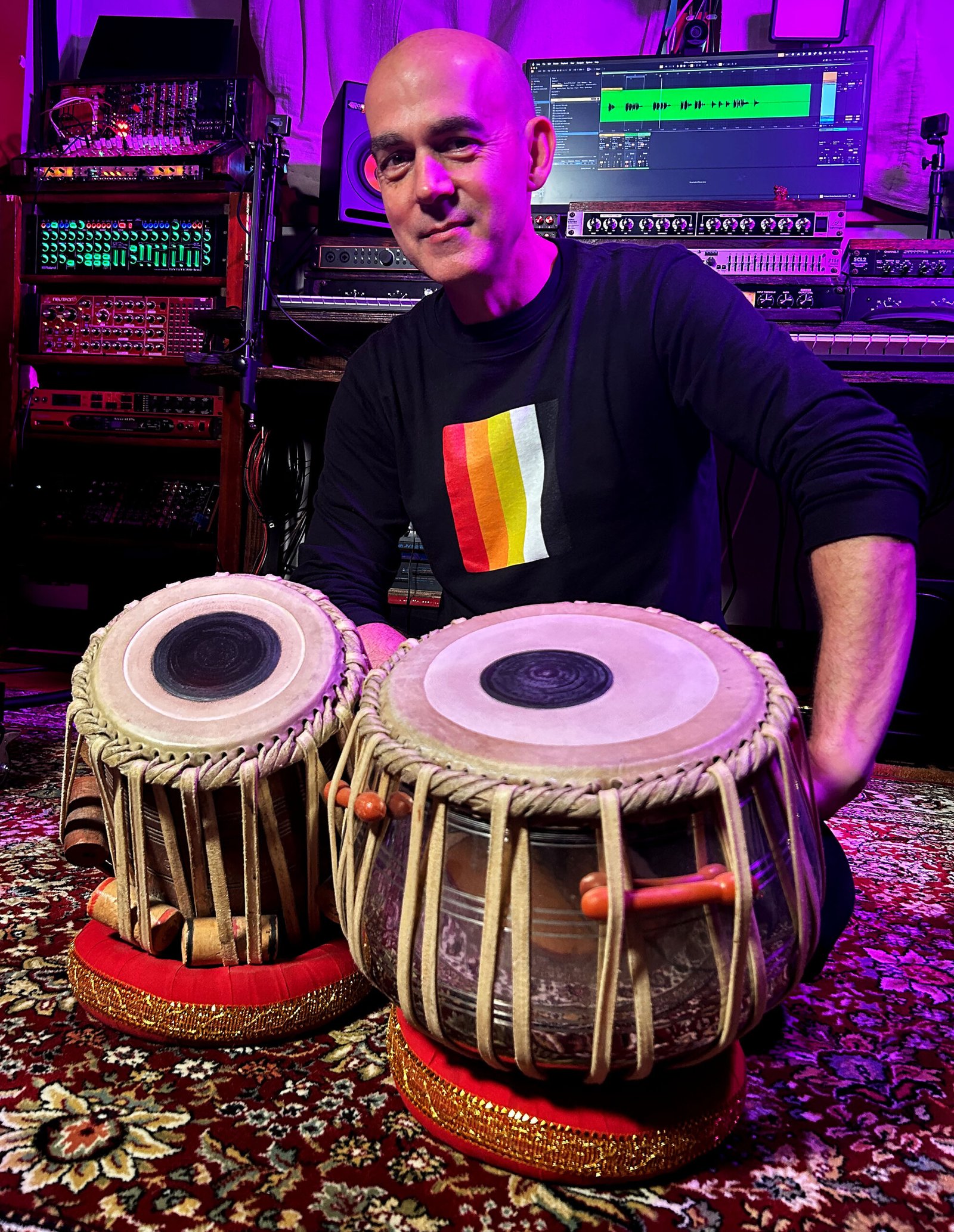
Sound as Cultural Record
Sound is one of the most immediate ways culture expresses itself. Long before something is written down or formalized, it is sung, spoken, played, or heard in passing. Music, rhythm, and ambient sound all carry information about how people live, what they value, and how they relate to one another.
Acoustic anthropology treats these sounds as records - not in the sense of finished artifacts, but as living evidence. A song can reveal social roles. A rhythm can reflect labor or ritual. Even background noise can point to geography, technology, or historical moment. Listening closely allows these layers to emerge without forcing them into predefined categories.
For Lowell, the goal is not to extract sound from culture, but to document the relationship between the two. Recordings are preserved alongside context: where they were captured, who was involved, and why the sound existed in that moment. Without that framing, audio becomes detached. With it, sound remains intelligible - a trace of human life, not just a waveform.
Fieldwork, Listening, Context
This work begins with being present. Acoustic anthropology isn’t something done at a distance; it requires time, attention, and a willingness to listen without steering the outcome. Recording is not treated as extraction, but as participation - an act that acknowledges the people, spaces, and purposes shaping the sound.
Listening comes first. Before microphones are placed or formats chosen, Lowell spends time understanding how sound functions within its environment. What is meant to be heard? What is incidental? What is sacred, social, or practical? These distinctions matter, and they can’t be recovered once the moment has passed.
Context gives sound its meaning. Recordings are accompanied by notes, observations, and situational detail that help future listeners understand not just what they are hearing, but why it exists. Without that framing, audio becomes anonymous. With it, sound remains connected to lived experience, grounded in culture rather than abstracted from it.
Read More:
Discourse in Music
On Musicians' Speech About Music: Musico-Linguistic Discourse of Tabla Players
By Lowell Lybarger
Hereditary Musician Groups of Pakistani Punjab
Dr. Lowell Lybarger
 Lowell Lybarger is a lifelong explorer of sound. A soundmaker, archivist, preservationist, and ethnomusicologist dedicated to capturing music in all its forms. He’s spent decades documenting, restoring, and creating audio that might otherwise be lost to time. This site is the hub of his ongoing work and curiosity.
Music

Copyright © 2025 | Website built by Red Massive